Introducing Seattle’s New General Assembly: SURF Incubator

As a startup founder, not too many things are more important than where you and your team will spend most of their time building you world changing, billion dollar company.  Before you receive an influx of cash and are able to have your own office space, the choices are basically 1) toughing it out in your home, 2) hopping between coffee shops or 3) spend an arm and a leg for office space in a place you really can’t afford.

Although starting a company today is quite a bit cheaper than it was 10 years ago, square foot for office space is not so much. It’s actually getting more expensive.  And it sucks, especially for a young startup that is likely pre-funding and cannot afford much more than cloud hosting.

So what to do?

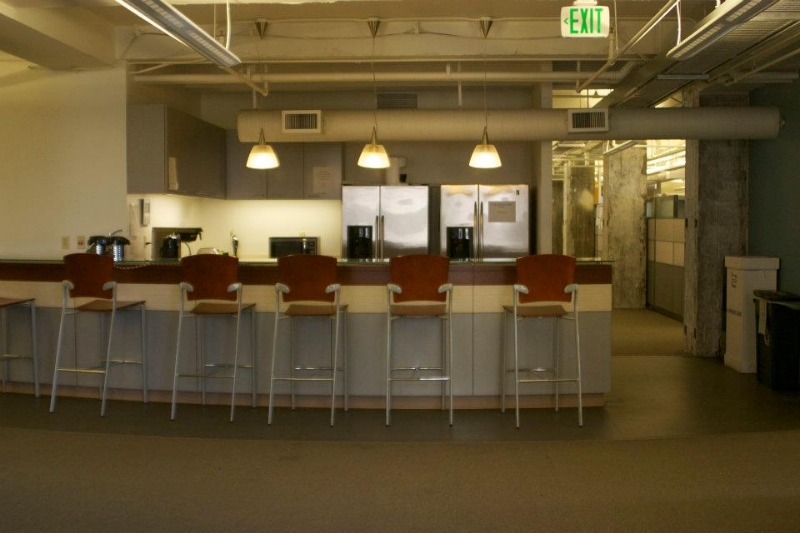
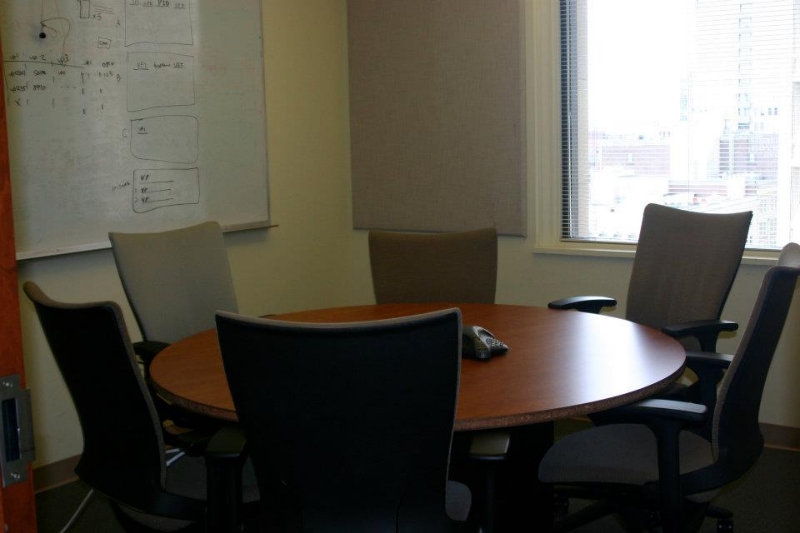
Well, I’m going SURFing.  Since the beginning of the year, SURF Incubator has been quietly building a network of technology focused entrepreneurs, mentors, investors, and corporate partners. On April 30th, the SURF community will come to life when it officially launches with fifteen incubating startups.  I am proud to say Seconds is one of them, and very excited to be a part of this burgeoning startup community.  Located directly downtown Seattle, this is perfect location for startups, as it’s 5 minute walk from Pioneer square, Westlake mall and a short bus ride to South Lake Union.

SURF has also been collaborating with various corporate partners to develop a robust benefits program to aid in the growth of our young companies.  By leveraging the support of service providers and larger technology companies, SURF is able to provide opportunities that reduce the costs to start a technology company in Seattle. Bringing down the economic barriers associated with building a technology company has the potential to significantly advance the growth of Seattle’s startup community. SURF has already received applications from entrepreneurs located from Vancouver, BC to South America.

This is exactly what Seattle needed.  There are a number of places for co-working and startup office space, but none that were this neutral and spoke with the most potent vision.  Most other spaces are in connection to an accelerator, investment or other ties to companies and investors.  Not SURF.  Their vision is to provide cost effective space (over 15,000 square feet) for innovation and collaboration between tech startups and greatly impact the general startup scene.

It’s crazy because I had this idea last fall and wanted to organize a handful of startups to make it happen, which as I got further into the planning I realized it was a quite a bit larger undertaking than I had time for.

Thanks to the support of some of Seattle’s most respected technology companies and service providers, SURF Residents will not only benefit from subsidized office space, but they will also have access to a suite of free or significantly discounted services. One of the many benefits associated with building a startup at SURF are the free educational workshops provided by corporate partners – covering topics on company formation, intellectual property, fundraising, various programming languages and more.

The monthly SURF membership fee of $300/month per entrepreneur, which nicely suits early startups comprised of 2-4 founders.  They even offer evening hours (which would be 5pm on) at $200 per month.

SURF and its network partners are making it dramatically less expensive to start a technology company in Seattle.  I now know where I am spending most of my time!

Some of the other startups include:

Shopobot – tracks price changes at major online retailers. Using this data, Shopobot helps consumers get the best price on books, cameras, computers, and video games. Name your price, and we’ll alert you when it’s reached. Shop Shopping in the dark!

BBC Easy – dedicated to optimizing the commercial lending process between banks and their borrowers.

Translational Software  – simplifies the logistics of genetic testing and transforms test results into actionable guidance for doctors.  The cost of molecular diagnostics is falling precipitously but genetic tests are not useful without interpretive information.

Knotis – helps consumers discover great deals from local merchants. Customers can find personalized, location-based offers – happening in real time.


Instagram’s Billion Dollar Idea Wasn’t Photos After All

I wasn’t alone in almost spilling my coffee mid-drink when I discovered Facebook purchased Instagram for $1 billion. Much has been covered on this, including talks of another bubble or irrational exuberance.   A billion?!  As a startup CEO, it’s sometimes hard to grasp how these types of platforms, which openly opine they are not concerned with making money can end up in such a successful outcome.

[So to all the investors out there, I guess we shouldn’t be focused on business models and making money, should we?  I digress…]

Yet the more I thought about the acquisition and the entire startup experience in general, a few lessons came to me that in hindsight are blindly obvious but bear repeating.  As founders, we tend to get lost in our vision.  We tend to over-think and over do our product to the point where our initial value proposition loses it’s inherent value to the market.

What do I mean?  Well, most likely you bloat your product with way too many features.  You also convolute your value proposition based on the latest moves of your competition.  You think if they jab right, you should jab right as well.  You then confuse your users as to why they should be using your product.  This is probably the main reason why your 15 month old startup is not fielding attractive acquisition offers.  It’s because there is no clear place in the market for your company so you just get lost in all the noise.

Instagram didn’t do that.  They kept it simple.  They kept is so simple that I had to write about it since I think most of us don’t realize how powerful a needle point actually is.  Needles cure disease, hoses don’t.

Here’s my view of how Instagram positioned their product for a massive acquisition from Facebook.  All startups, no matter what industry need to keep these principles top of mind if they want a positive business outcome.

Do One Thing World Class

Intagram has been referred to lately as a mobile social network, but in reality they are a much less than that since social networks just collect around specific things.  Instagram chose to focus on photos – and determined to do it world class.  They identified weakness in the current user experience of taking a picture with an iPhone and trying to share that with your friends.  They found the process was way too slow and cumbersome.  They realized the most important thing to people was how quick they could complete the process.  Optimizing how photos were uploaded sped up the process and greatly enhanced the user experience.  Instagram quickly became known as the fastest and easiest way to take and share mobile photos with your friends.

Interestingly, the precursor to Instagram was Burbn, which was what the founders built before changing to “Instagram.” Co-founder Kevin Systrom explains how they launched the service primarily as a checkin, social geo-location app full of hoards of features, on which users could quickly upload photos and share them with friends. (Heres a great interview on the background of Systrom and Instagram)

Burbn had attracted a core following of users, but was not exactly taking off. Upon further evaluation the founders noticed that photo uploading was the strongest and most used feature. Instantly, they cut all other features, kept with uploading photos and moved forward with the newly minted Instagram.

Systrom resisted being all things to all people and in the end sold his 15 month old company for $1 billion.  Think about that  for a second.  By removing most of his product and getting down to the essential, he drastically enhanced its value.

Do you have the stomach to gut your product down to the bare essentials in order to make it more attractive?   You need to find the needle.

Networks of Distribution

The success of any product or service greatly depends on people actually discovering it.  Instagram beautifully leveraged the major distribution networks of today – Twitter, Facebook and Foursquare – to quickly gain user traction.  Take a picture, instantly shoot it out to your friends and followers… People click on it, see Instagram and think “that’s cool, I need to use Instagram.”

You may be thinking this is obvious and being a technology blog most people should understand the concept of leveraging social channels.  Well, this is not about leveraging “social” channels, but rather about finding the appropriate networks of distribution for your specific product or service.  Too many businesses think they need a “viral strategy” when their user experience is far from viral.  Lost in the noise about Twitter and Facebook are all the other options your company may be missing.

Neil Patel does a great job of explaining how to co-brand with a leading brand, illustrating how Spotify jumped onto Facebook and instantly saw millions of new users.  He also says, “besides reaching a wider audience, co-branding your work will also propel your brand faster, double your strength, give you someone to lean on and adds credibility.”  Well said Neil.

What adjacent platforms or companies are sitting there waiting for a strategic partnership with your company?   Are there existing distribution networks already perfectly placed where your user experience will greatly benefit all parties involved?

Aimed Directly at Competition

Systrom and company did something amazing which seems to be overlooked by most startups: find a gaping hole in a major player’s armor and expose it right on their front lawn.  Facebook, being the largest social network and the primary place people connect and share photos with friends, was embarrassing lacking an adequate mobile solution.  They were pretty late to the mobile game and when they showed up, their mobile experience was flat out clunky.

Instagram was built from the ground up as a mobile platform, specifically around photo sharing.  They not only identified there was a hole in the market, but they filled it and shoved it right in the Face of Facebook showing them how much better Instagram was than Facebook at the mobile game.  Zuckerberg knew it the whole time and from what we can read about the situation the latest $50 million raise was the last straw.  He pulled the trigger and bought the company knowing Instagram was a growing problem for them.

Here’s the point:  Don’t go build “another similar product” copying the competition simply because you are lazy and they showed you the market wants what they are offering. The outcome is typically not very good.   Why not study the market, find the hole and then go do that specific thing?  Own that thing.  Be known for that thing.  And do that one thing world class.

Using Instagram as a perfect example, that’s the billion dollar idea.

@jnickhughes

Here’s A Lesson On Why You Should Listen To Your Early Customers

Here’s a great write up on how Seconds is transforming an office catering business.  Molly’s Salads is one of our early customers, and in fact our most important to date.   Truth be told, they were actually the ones who came to us with the idea for text payments.   Their CEO simply said “can’t we have a system where people just text the word “sandwich” to our number and it automatically charges them?”  We looked at each other without blinking and said “um sure, we can do that!”

From the article:

How does Seconds work from your end, as the merchant?
From our end, it’s super simple. The technology just reads what [customers] text. So if they text SALAD, it just reads SALAD and automatically bills their card for whatever the price of a salad is. That is built right in. The sales go directly through us. We plug in our gateway, and it goes directly into our bank account. The only work we have to do is when somebody has an issue. When they say, “My card’s not working,” or “There’s none of this left in the fridge,” that comes straight to my email. I can respond through my email, and it goes straight to their phone. Everything is automatically billed, and then I can monitor how sales are going by going to my dashboard.

read the entire article….

As we walked out of the initial meeting I looked at my CTO and said “dude, he’s dreaming.”  He just chuckled.  Amazingly, we ended up building it within a month or so and the rest is history.  Multi-billion dollar, multi-national corporations are reaching out from all over the world are now expressing interest in what we are doing.  It’s awesome and we owe it to Molly’s Salads for leading us towards this cool concept.

Below is the simple way people are paying for Molly’s food using Seconds.

A Great Article On Mobile Payments, Quoting Yours Truly In The Process

Connected smartphones and other devices can take the place of any number of other items, including calculators, watches, maps and GPS devices. It’s only a matter of time before they also become mobile wallets, too, and in fact, that’s already starting thanks to companies like Square, PayPal and Google. But it isn’t only big companies rushing to fill that need; the space is a point of focus for plenty of smaller players, too, many of which are trying to do something a little different than what’s already out there…. read more for my quote.

Should Paying $950 With A Text Be This Easy? (video)

Seconds is the simplest way to pay using a mobile device.

Take paying your rent for instance.  It sucks to have to write a check, get a money order or remember to go online and make a payment.  Even if you use an automatic online rent payment system you might not remember what day it will be taken out of your account, which can be frustrating.

So should paying with a text message be this easy?  In a word – yes.  Life shouldn’t require you to download a specific app or stop by the cash machine to get cash.  Seconds is the simple way for you to make a mobile payment for everyday things.

Watch the video below to get an idea of how fast Seconds payments can be.

1. Type “Pay Rent”

2. Confirm the amount

3. Receive a text stating the completion of your payment.

Imagine what else you can pay for with Seconds.  Imagine your life…. in Seconds.


Slideshow: Imagine Your Life… In Seconds.

Seconds is the simple way to pay with your mobile device.

As I have stated before, virtual transactions – payments made without having to swipe, show or display anything – will transform the payments landscape like no one has ever seen before.  Since people carry their mobile devices with them everywhere, it makes the most sense to streamline transactions through the computer in their hands.  With cloud computing and offsite secure services holding payment credentials for every consumer, people now have an ability to make simple, quick and easy mobile payments ANYWHERE.

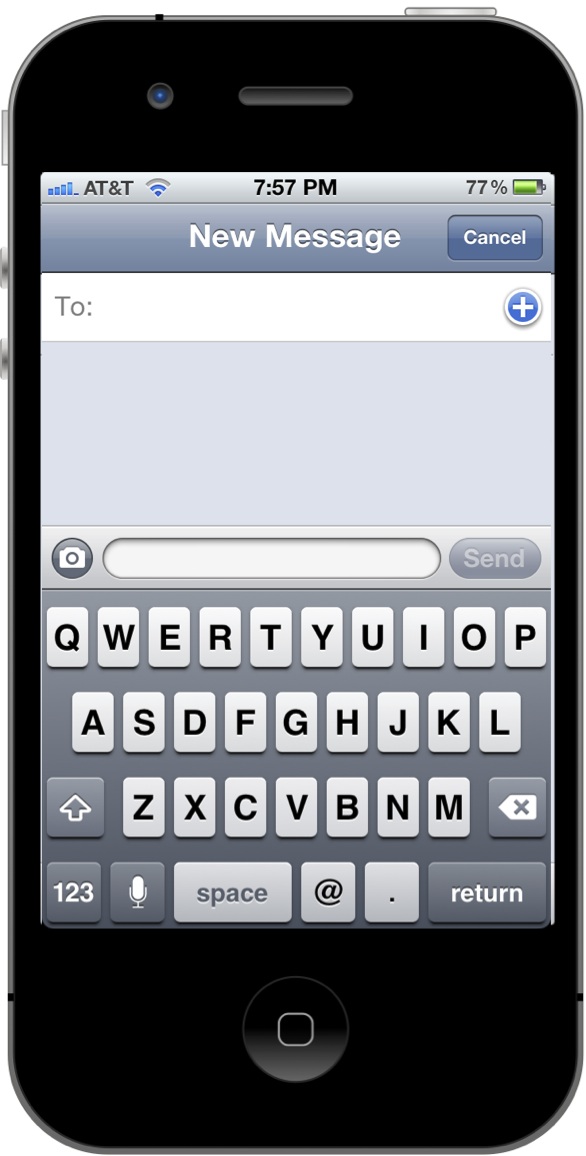
I have also said this before but it bears repeating: what if SMS messaging was not only for communications?  What if, as a very efficient information transport  mechanism organically built into billions of mobile devices around the world, it was used for payments and transactions?  Seconds drives secure payments through text messages, allowing someone to quickly make a instant and automatic transaction by simply texting a keyword to a merchant.   Conversely, a merchant can ping your mobile phone with a message to complete the transaction by simply responding with a specific prompt.

Below is a brief slideshow to imagine your life… in Seconds.

The Evolution Of Digital Payments Says Anything Made Of Matter Is Toast

The payments landscape is changing almost daily and the overall industry is truly one of the most exciting business studies around.    Payments?  Exciting you say?  Yes, well if you don’t’ think $1 trillion up for grabs in the next 5 years is something to get excited about I would check your pulse.

As an natural observer I tend to look under the hood whenever something unusual is going on, since whenever peculiarity is present change happens.   Curiosity is actually what drove me to start Seconds, my mobile payments company.  It all started with observing how consumers interacted with merchants, repeat interactions in particular.  Isn’t it funny how we go to the same coffee shops, restaurants, retail stores, gas stations, and other everyday activities each day.  In fact, we do this so much the person at the counter who “swipes” your card actually recognizes you and may even know your name.

Although loyalty started my entrepreneurial journey, it did not end there.  I started to think a bit deeper about what usually happens each time you go to the coffee shops, restaurants, retail stores, or gas stations?  You got it – payment!  There it is, the one data point which can trace commercial actions, habits, relationships and trends.  Imagine being able to aggregate and see all those data points in your own life.  Things like where you spend your money, how much, when, buying what and how often.  Now imagine it on a merchant wide level.  How about a worldwide level?  I think you get the gist of where we are going.

This thinking brought me to Seconds, which is the fastest way to transact and interact with merchants.  I believe if you speed up a traditionally laborious process, make it available to the widest range of people possible and emancipate the data to be used in adding value to the system, great things will happen.

During this study it came to my attention how much the payment experience has evolved, and how much more it will change.   Below is a quick discussion on where we have come from and where we are going with digital payments.  You will notice this discussion is all about digital payments, since cash and coin have always been available and will still be around for quite some time.   The current focus is on the digital payment experience and the changes we should expect.

Payments 1.0

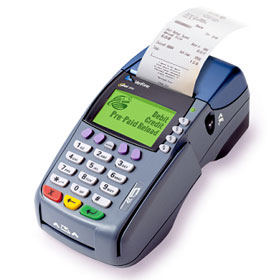
When plastic cards came into the market the obvious question became “how do we use these things?”  Naturally, swipe terminals popped up in retail locations everywhere, in addition to such places as gas stations and movie theatres.  Major players like Verifone, WorldPay and others transact billions of dollars each day through proprietary devices which translates information from your plastic card into electronic data and ultimately ending in a transaction.

Important to note is the placement and positioning of the terminal, which can be found on the specific merchant’s counter or apparatus.  Why is this important?  Without the terminal, I cannot pay.  No terminal, no card, no soup for you!  This gave credit card companies and the electronic payments companies a leg up in the economic chain.  But innovation has no master and things quickly change.

Payments 1.5

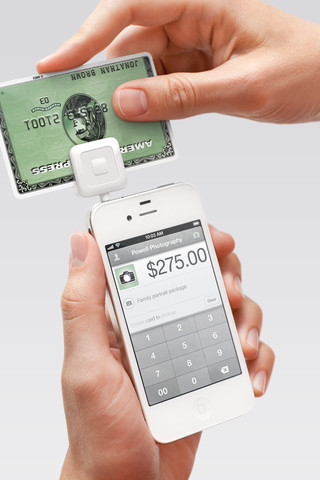
We are currently seeing new methods of swipe transactions involving the mobile device hit the mass market.  These swipe solutions enable a mobile phone or tablet to become, in essence, the terminal itself.  The terminal has jumped off the merchant’s counter and into their hands with products like Square or PayPal empowering anyone to become a merchant.  All anyone needs is a mobile device, the app, and the swipe dongle attached to the device.  They are now ready to take a card payment.

As amazing as these solutions may be I argue they don’t truly change the payments space, they only augment it.  They allow us to use our credit cards at more places – which depending on who you are that could be good or bad – yet it’s still a credit card.  Some people call this mobile payments but it’s really just a mobile terminal. The requirements of products and devices can be cumbersome and troublesome if lost.  Forward progress?  For sure!  But not truly an innovative new movement which will have landscape shifting effects.

Payments 2.0

True innovation upsets the masses and ultimately establishes a new norm, with new rules and new players.  Virtual transactions – payments made without having to swipe, show or display anything – will transform the payments landscape like no one has ever seen before.  Since people carry their mobile devices with them everywhere, it makes the most sense to streamline transactions through the computer in their hands.  True authentic mobile payments do not require any hardware outside of the mobile device.  With cloud computing and offsite secure services holding payment credentials for every consumer, people now have an ability to make simple, quick and easy mobile payments ANYWHERE.  As the consumer, the terminal is now in your hands.

Platform agnostic solutions will enable any mobile device holder to transact and make a purchase with any merchant or brand connected to the platform.  It shouldn’t require me to have an iPhone, Android or any other specific device.  I don’t’ think “sorry, we only accept iPhones” should replace “sorry, we don’t accept American Express.”  Everyone is created equal and every dollar bill is $1.00, no matter who is holding it.  This principle  should remain the same as we evolve into a purely digital society and work through determining the appropriate payment methods.

And as payments become virtual, platforms such as Dwolla start to make a lot more sense.  If you were a merchant looking to accept mobile payments, which would fee you rather pay – a flat 25 cents or between 2-3% of a transaction?  It’s no contest, Dwolla’s fee structure could put credit card companies directly out of business, unless they bring down their fees to a competitive level.

I have said this before but it bears repeating: what if SMS messaging was not only for communications?  What if, as a very efficient information transport  mechanism organically built into billions of mobile devices around the world, it was used for payments and transactions?  Seconds drives secure payments through text messages, allowing someone to quickly make a instant and automatic transaction by simply texting a keyword to a merchant.   Conversely, a merchant can ping your mobile phone with a message to complete the transaction by simply responding with a specific prompt.  How did they know to do that?  Your phone number has now become your payment credential, and interestingly enough they can instantly reach you via short message from pretty much anywhere in the world.  Imagine how things will change when we all can interact and transact with any brand in the world in Seconds?

I am not sure how much quicker we can make things but a second is pretty damn quick.

@jnickhughes

How To Deal With The Agony and Ecstasy Of A Startup

Every startup founder is probably nodding their head right now as they read the title of this post.  It’s like being part of a club or a gang where you were initiated and were forced to endure the pain.  Then afterwards you have a sense of relief – a thought of  “wow,   I’m glad I got through in one piece!”   Well, it’s safe to say I’m right in the middle of it and here I am thinking out loud on how to deal with it.

The Agony

The agony can be described as an immense downward pressure, something akin to gasping for air when lacking oxygen.  When you start a company, everything has to be created out of thin air and requires extraordinary feats to pull it off.  Things like the legal entity, the team, the product, the customer base and the cash reserves are not there in the beginning and have to be created somehow.  In the beginning it’s all chaos and panic.

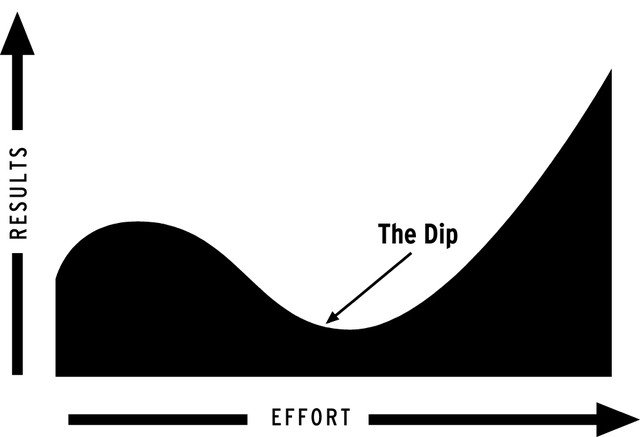
And it’s an agonizing experience.  Anything that can go wrong will go wrong.  Your progress will take twice as long as you expect and if you are an impatient person like myself this is extremely difficult.  If entrepreneurship can be described as a roller-coaster ride, the agonizing times are the extreme lows you will face as a startup founder.   Seth Godin calls this The Dip.  Some don’t quite make it out of the dip and become statistics (half of businesses fail in the first 5 years, 1 out of 1,000 ever receive venture funding, etc..)

The Ecstasy

The ones who do make it out of the lows shoot right up to the highs and experience periods of ecstasy and bliss.  Similar to a chemical induced euphoria these natural created feelings are what keep you going through the entrepreneurial journey.  A great first meeting with a high profile investor, media coverage on a highly visited blog or website, the cold call out of the blue requesting a new partnership that could land a potentially lucrative new customer, or the hundreds of new twitter followers after a new blog post goes live are all exciting and exhilarating experiences.

These are what you live for as an entrepreneur.  And they are addictive.  They are additive because these types of experiences release dopamine and other neurotransmitters in the brain that result in a heightened state of emotion.  Interestingly, that same process happens as we experiment with recreational drugs.  It’s funny how entrepreneurship and mental disorders are so close in relation yet are looked upon from society in the extremely opposite light.

How To Deal with The Agony and the Ecstasy

If you are an entrepreneur, you will have to deal with this type of life.  Here’s a few ways I deal with the ups and downs of startup life.

1) Exercise – Expending energy helps release pent up stress so I can relax and  breathe a little easier.  It also allows me to stay healthy since I am less active these days.  This is the single most important (and simple) way to handle stress in your life.

2) Get Advice – I lean on my Board of Advisors to help me to understand things I may not see just yet.  They are all older than me and have been through similar situations (or see others go through them), which affords them a perspective I can use to help me make better decisions.  I tend to think I am smart enough to realize I don’t know very much.

3) Come To Grips With Reality – The reality is you are on the roller-coaster of life and it constantly goes up AND down.  When in the dip, it’s healthy to understand the dip won’t last too long and not too far down the path things will go up.  The only thing you must figure out is how to minimize your time in the dip and how to maximize your time above water.

Preparing yourself and understanding how to handle the ups and downs is the smartest (and healthiest) way to get through the rough patches.  It’s your responsibility to learn as you go… I know I am.

@jnickhughes

5 Key Talents of Successful Startup Founders, a guest post on Mashable.

Here is my latest guest post on Mashable.

Startup founders are fascinating creatures. They have to be multifaceted and dynamic, yet laser sharp and narrowly focused. During the early days, they must wear many hats and perform a variety of foreign duties, such as HR, PR, sales, marketing and product design. Above all, they have to be just a little bit crazy to even think about stepping into the roller coaster lifestyle called entrepreneurship.

As crazy as they may seem, the entrepreneur’s many duties create a uniquely talented individual. Yet subtle differences in personality and perspective can determine success or failure.  Some talents are essential to a startup founder. Without the presence of these five specific talents, it would be very difficult to start and grow a new venture…. read more.

The Amazing Story Of How Charity:Water Was Founded And How You Can Do It Too

Charity: Water’s Scott Harrison talks with Kevin Rose about his past life and how he came to found Charity: Water.  It is an amazing story and one that will make you want to do more with your life.  I won’t ruin the story, but I do want to touch on a few things before you go and watch the interview.

As he is talking, Harrison makes a number of great observations around how we can go about our lives only to come to a dead end mid-life and wonder what the hell we are actually doing here.   Drugs, alcohol, partying, looniness, emptiness.  We easily slip into ruts where we become way too selfish, arrogant, entitled and  self-centered to look up and realize there are people on this earth who not only don’t do those things but don’t have access to the very things we take for granted like food, water and shelter.

Did you take a shower today with clean water?  Millions of people in the world did not.  How about a nice glass of ice-cold water?  Or were you able to cook your food long enough to kill all bacteria so you won’t get sick or a disease?  Again, millions cannot appreciate those things.  Did they choose to live this way?  Nope.  They were born into a life without clean running water, electricity or other things you and I take for granted in our daily lives.

We should all start to ask ourselves what a meaningful life looks like to us?  To quote Harrison, “Ya know, Jesus was actually a bad-ass dude walking around helping strangers and making people’s lives better.”  He wondered if he could take his life and do the same thing.

As I push forward in my entrepreneurial journey and build a tech company focused on communications and transactions, these sort of thoughts are not lost on me.   I hope my path is not just about solving first world problems.  We have a unique vision for how the mobile device will make your life easier and I look forward to bringing it to fruition.  But it will not just be available to the privileged few living on many thousands of dollars a month.  I aim to someday live a life like Scott Harrison and work towards bringing happiness to people all over the world – in cities as well as villages.

I challenge you to determine what you can do for people who live on a few dollars per month.   I choose to not think about charity as much as economically sustainable ideas, meaning I would rather see something come in and transform a culture by enabling economic growth over one-time charitable contributions.

What types of ideas can we bring to third world countries that have the power to radially transform their lives and lift them out of their challenging situations?  Harrison’s Charity Water is only a drop in the bucket.

Addicted America – What Have We Done To Ourselves?

We live in an always on world; one where it’s almost more common to see someone on the street peering down at the device in their hands rather than looking up at where they are going.  They all have headphones on and don’t even make eye contact any more.  I know I am guilty of this and it’s pretty pathetic if you actually think about it.  Sometimes I like to look people straight in the eyes just to see what they do.  No one even talks anymore.  It’s crazy.

I have also noticed a strange feeling creep into my life – subtle emptiness and the feeling of missing out on things going on around me.  How do I know all these things are going on?  Social media of course.   Flip through Twitter or Facebook for only a few seconds and you’ll notice people checking-in, raving about the fun they are having at the ball game or what they just ate.  It’s overkill!

I also have this nagging urge to grab my phone and check to see if anyone has texted me in the last few minutes.  “Maybe I’ll swipe the phone open and check my email… I am sure I have a new email I just need to get to.”

I am sure it’s not just me and I bet more people than want to admit feel the same way I do.  I also think it’s going to get much worse.  How much worse?  Who knows, but I think society is going through such a drastic transformation right in front of our eyes we don’t even know what has hit us.

The infographic below describes our life today, our life of immediacy.  We have little patience for anything that takes more than a few seconds.  (why do you think I named my company Seconds?  Genius eh?)  We click away from any pages that don’t load after a few seconds.  We can’t stand it if it takes too long to be served food.  Wait on hold???  No way!!

I can’t imagine what this has done to our psyche but it cannot be good.  I am sure we won’t really understand the negative effects or the changes in neural functioning for a while but it just doesn’t feel right.  Yet, there is something stimulating about it.  The rush of something new, someone reaching out to me to chat or do business is always a good feeling.   This is dopamine talking and if I am not mistaken that is how we get in trouble with highly addictive drugs.

What are your thoughts?

Where Is Your Favorite Payments Company In The Mobile Payments Landscape?

The mobile payments market is white-hot right now.  PayPal just announced their latest creation, a Square knockoff (at first glance), LevelUp is seeing more than $1,000,000 worth of transactions per month and Square is now measuring their transactions in billions of dollars on a yearly basis.

The chart below is an illustration of the current mobile payments landscape.  The horizontal axis is the spectrum of where the product can be used in relation to proximity to the merchant.  Do you have to be in the store to complete the transaction?   Do you need to actually be at the register and touch or scan your mobile device to complete the transition?  If you do, I would argue it is not much of a step forward in payments technology.

The vertical axis is the spectrum of user accessibility, or the ability for an average mobile user to actually use the mobile payment platform.  As you can see, most mobile payment platforms are app based and focus on Apple or Android, the two main operating systems.  This excludes many millions of mobile consumers.  Also, the requirements for NFC enabled devices is even more far reaching and pretty much isolates payments to very few merchants and consumers.

Where’s Seconds?  It’s all the way to the upper right.  The most accessible to merchants/consumers and is the most dynamic in relative proximity to a merchant.  Using Seconds, I can send a text and transact from anywhere in the city, state or country.  Shouldn’t mobile payments actually be mobile?

Don’t see your favorite?  Just let me know and I’ll place it on there.

@jnickhughes

A New Article Covering Seconds Points To Our Larger Vision Of Payment Identity

Seconds was recently covered on BetaKit, here’s a snippet:

Smartphone growth is trending upward worldwide, but there’s still a huge percentage of the population using feature phones, and another group of users for whom a stable and consistent data connection is little more than a dream. A couple recent startups are poised to address those markets directly, both in emerging markets and in North America… Read more.

I want to highlight something that came out in the interview that points to the real game changer in mobile payments, although we don’t talk about it too much at this point.

Seconds isn’t just about SMS, however; Hughes said the bigger picture is in establishing user profiles that can be attached to any tech. “We’re more about the software and the identity,” he told us. “Attaching that user identity to other platforms is relatively simple.” That strategy should allow Seconds to work with other mobile communication tech, including NFC and Bluetooth 4.0, as they accrue more popularity.

I believe the winner (or winners) in the mobile payment space will be oriented around a consumer’s identity, meaning everything is aggregated  and organized for both my benefit and the greater merchant ecosystem no matter what method of payment I use.  This is important to the future of commerce and we intend to be a major player.

@jnickhughes

How Seconds Will Give 2,433 Hours Back To Your Life

2,433 hours

The amount of time wasted in an 80 year lifespan just waiting to interact with businesses doing things like:

  • pressing 1 for the employee directory, pressing 2 for account information…
  • waiting on hold on the phone
  • Waiting in line to purchase something
  • calling to ask a question
  • writing a check (who does that anymore?)

How did I get to 2,433 hours wasted in a lifetime?  On average, we can estimate approximately 1 minute is wasted each time we interact with a businesses.

Multiply that by roughly 5 each day.

Multiply that by 365 days each year.

Multiply that by 80 years in a lifetime.

Total all that up and you get 2,433 hours.  This could be an underestimation if one minute turns out to be more like 5 or 10 minutes but I think you get the picture.

How can Seconds save you those hours so you can get back to living your life?

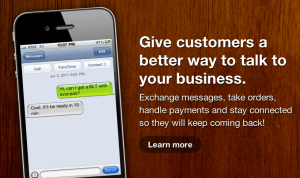
Seconds enables customers quick interaction and transaction with merchants through the mobile web. Our mission is to make the consumer experience more efficient and enjoyable.   When a consumer attaches their payment credentials to their Seconds account, they have effectively transformed their phone into a transactional device.  With Seconds, people can send quick messages and easily make transactions with merchants – which takes seconds, not minutes.  No more waiting on hold.  No more of the “press 1 for operator” crap that no one likes.  No more waiting in a line of ten people to simply swipe your card to pay for something.

If you have a question for a merchant, you simply send a message and then get back to your life.  Within a matter of seconds you should receive a response.  It’s just like how you interact now with your friends and family, shooting them a quick text during a commercial break or in between glances on the road (kidding…. kinda).  Interesting enough merchants actually want you to do this as well since they just want the phone to stop ringing.

Mobile payments work the same way.  Seconds allows merchants to program their account and customize keywords with specific dollar amounts which act as triggers to charge a Seconds user’s mobile payment account.  If you want to purchase something you can text the keyword and immediately pay for whatever you were buying.  Or if you don’t know the keyword the merchant can send you a conformation text and charge your Seconds account for you.  Simple as that!

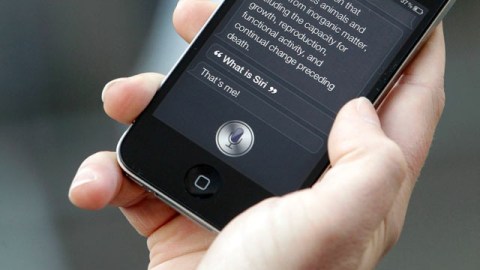
Even more cool, because Seconds is driven through text messaging, if a person is holding an iPhone 4S they can use Siri to complete the mobile transactions by simply saying the keyword.

Maybe you have noticed our world speeding up and getting faster and faster each day, I know I have.  It just seems like there is so much to do and so little time to accomplish all my daily tasks.  I have no time to waste, and yet I find myself along with others standing in line at the grocery store checking my email or twitter stream.  I do this because I don’t like to be idle and feel like I am missing something.  Whether we agree with using mobile devices at places such as the grocery store, I think we all agree there are many things in our life that need to be made more efficient with technology.  Seconds allows us to minimize the time we spend in the minutia of life so we can get back to what is important.

Who’s already using Seconds and helping save hours in their customers lives?

  • Quick Service Restaurants
  • Food Distributors
  • Auto Dealerships
  • Customer Service Consultants
  • Fast Food Restaurants
  • IT Consultants
  • Cafes and Coffee Shops
  • Wine Distributors
  • Beauty and Health Salons
  • Clothing Retail Outlets
  • School Districts

Check out Seconds now and start getting back those precious hours.

@jnickhughes 

Mobile Payments: Siri Hears Your Words And Pays Your Rent In Seconds

Siri is an amazing step forward in computing technology.

So is Seconds.

Seconds enables customers direct interact and transaction with merchants through the mobile web.  When a consumer attaches their payment credentials to their Seconds account, they have effectively transformed their phone into a transactional device.  With Seconds, people can send quick messages and easily make transactions with merchants using the service.  Even more cool, because Seconds is driven through text messaging, if a person is holding an iPhone 4S they can use Siri to complete the mobile transactions with Seconds by simply saying the keyword.

Here’s how it works when you imagine a scenario such as paying rent, which is something we are set to pilot test in Seconds this month.  When rent is due, all you have to do is:

You say: Send a message to landlord  “Pay Rent”

Siri says: OK, here’s your message to your landlord: “Pay rent.”  Are you ready to send it?

You say: Yes

Siri says: message sent

Two seconds later you receive a text “Your account has been charged  $1,200 for your rent.  That’s it! Your rent is paid & you can get on with your life.

How did Siri know who to send the message to and how much you should pay your landlord for rent?

Seconds allows merchants to program their account and customize keywords with specific dollar amounts which act as triggers to charge a Seconds user’s mobile payment account.  So in this scenario, the landlord was able to simply plug in the amount of money “Pay Rent” would translate with and then told their tenants to just text their number and pay in Seconds next month.  This specific tenant was able to tell Siri to pay his rent for him.  And because had labeled his Landlord in his phone contacts, Siri was able to do the job quickly and easily.

Seconds and Siri are a perfect match, and we see a future where payments are so seamless we won’t even have to take out our phones (let alone our wallets).  In the future, your phone numbers + a pin will be all the payment credentials you will need.

The interesting thing about Seconds is not just the transactional component – which is definitely cool – but the communications aspect as well.  Seconds sits directly at the convergence of communications and transactions, and enables each at certain times and both when appropriate.  It’s truly a 21st century communications and commerce platform fit for almost any merchant – large or small, corporate or independent.

It’s my belief there will be many different players in the payments space, but merchants and consumers will not tolerate a plethora of options and varying requirements based upon specific merchants.  It will be far too confusing and there will need to be some market convergence as time goes on.  Consumers will most likely choose the option which is 1) quickest to use, 2) most widely accepted, 3) is not affected by a specific device they are holding, and 4) the easiest to understand.

We like where we sit within the ecosystem and look forward to a great future ahead.  It’s only the beginning.  If you are not familiar with Seconds, here is a quick video of someone paying for a “wrap” by simply texting the words.  Note:  this is not a demo, it’s the real Seconds experience happening every day and will soon be in your hands as well!

Fear – The Reason Why Most Of You Won’t Start A Company

Fear paralyzes most everyone at some point or another in life but it’s most drastic affect can be found when people are faced with doing something new or different.  It’s fascinating a person would choose not to do someone simply because they are scared of what they don’t know.

I often wonder why that is?  As an entrepreneur I am almost addicted to the new, to the rush of achievement and to the embarkment into the unknown.  It perplexes me why most of us don’t think this way and allow fear to paralyze them in making life changing decisions.  Of course, a simple search brings more to light.

From Wikipedia:

Fear is a distressing negative sensation induced by a perceived threat. It is a basic survival mechanism occurring in response to a specific stimulus, such as pain or the threat of danger. In short, fear is the ability to recognize danger leading to an urge to confront it or flee from it (also known as the fight-or-flight response) but in extreme cases of fear (terror) a freeze or paralysis response is possible. 

Additionally, fear is frequently related to the specific behaviors of escape and avoidance, whereas anxiety is the result of threats which are perceived to be uncontrollable or unavoidable.  It is worth noting that fear almost always relates to future events, such as worsening of a situation, or continuation of a situation that is unacceptable.  Fear can also be an instant reaction to something presently happening.  

Why am I focusing on fear?   Recently I identified fear as the sole deterrent to people taking the leap and starting something new, like a company or new life direction.  I should know, I am currently going through everything a person like this fears and living to tell you about it.

Fear of Failing

Quite possibly the strongest of the fears is the social fear of failing, or the public statement that we are going to do something and then ultimately not succeeding at it.  Humans have a inherent need to be liked, embraced and accepted by the norm of society.  I think this dates back to pre-historic times and the fear of being left out in the cold, alone and vulnerable to prey.  Back then, failing at something meant you would be ostracized from the pack which most likely led to your death.

I can relate to this sort of fear of failing, only to the opposite extreme.  I tend to turn our inherent fear of failing into the fear of failing to meet my potential.  Sometime earlier in my life I heard a statement that struck me so deep I will not ever forget it:

Imagine dying and arriving in the afterlife only to meet your ‘highest potential self’ – the one God intended you to be when he created you – and only then and there you fully realized what you wasted when you were alive.

Whether you believe in a God or not, that statement should send shivers down your spine.  It points to the fact that we all were created with a vast amount of potential, yet it is up to us to choose to pursue it.  My ultimate fear is not failure in one thing or another but  failing to continue to stretch and reach towards my potential.

Fear of success

Interestingly, a lot of people actually fear achievement and success.  Millions of dollars, popularity and attention or the phenomenon of freedom from a job is so foreign to some people they have no idea how to comprehend it in their life.  Imagine waking up early and automatically going to a job each day and then one day waking up with so much money you never have to work again.  This is unfathomable for many people.  So they say things like “oh, I can’t do that?” and  “I am not talented, so how could I achieve that.”  Fear is actually at the root of those statements – they perceive the ability to do such things as something they lack and thus unknown – so one merely passes it off as a fear not be entertained.  That is quite sad.

Fear of hard work

Starting a company is damn hard work.  Most people are lazy and don’t want to work hard; they want to cruise through life along the path of least resistance and have as much handed to them for the least amount of effort.  There, I said it.  And it’s a fact of life.  Humans have been trained to expend the least amount of energy for the most amount of gain and it’s no more prevalent than in the corporate world.  As a culture we have trained ourselves to be lazy and get the most we can for the least amount of effort or investment.

This is why entrepreneurs are so different than the rest of society.  We think opposite.  We understand it demands a hell of a lot from us and WANT to work hard to achieve our goals.  We actually shun the 9-5 “clock in and clock out” life.  This trait can be seen in entrepreneurs, athletes and any person who strikes out on their own to accomplish something extraordinary.  We embrace the 10,000 hours it takes to achieve excellence in anything.

Fear of the unknown

I think all of this comes down to the paralyzing fear of the unknown.  Quite simply, people just want to know everything and hate it when they don’t (obviously the growth of Google has proven that true).  People hate it so much that when they are unsure of something, even when it’s totally normal to not be sure, they just don’t do anything.  They’re frozen.  They stay put.

If there is one point to take away from this is the fact that staying put is they worst thing to do today if you want to move forward in your life.  Doing nothing will only bring more of the same.  This is why most of you will not start a company, because you don’t know what you don’t know and that scares you.  You have no idea how hard it will be.  You don’t know how low the balance in your bank account will go.  You have no idea how hard it will be to recruit people to your vision, compensate them appropriately and treat them right regardless of the circumstances.  You have no clue as to how high the balance in your bank account could go if you happen to succeed.  Lost to you is the incredible opportunities of growth and development that come with placing yourself in a challenging situation.

It’s unfortunate because you have no idea what you are missing.  Although this has been the most challenging thing I have ever done, it is also the most rewarding.  In the depths of the valley I find more about myself than on the tops of the mountains.  The valley’s reveal to us our weaknesses and our strengths; they show us where we need help but they also allow for discovery of the character traits only we posses and how we must use them to get out of the valley and back on the mountain.  For that is what the entrepreneurial journey is all about.

@jnickhughes

Hey Google Wallet, Square and PayPal – Mobile Payments Should Be This Easy

NFC is not required.

There’s no app to download.

No special device needed to make a purchase.

Apple’s iOS and Android may be popular operating systems, but they aren’t needed to use Seconds. Seconds merges transactions into one of the most popular technologies in the world, SMS messaging.  More than 234 million consumers holding mobile devices in the U.S. can use our payment system today because they can text.  Step back a second and think about that.  Why are barriers in the way of an everyday activity like payments?  There should be no barrier to usage, no device requirements or specific apps to download.  Isn’t that how mobile payments should be –  simple, quick, easy and available to anyone?

Why is that so important you might ask?  The diffusion and resulting adoption of a new technology is at the mercy of its availability to consumers.  Why did email spread so quickly?  Simply because people only needed a computer and an internet connection.  The same goes with credit cards, people don’t need a special wallet to carry a credit card, they just need it in hand to correctly communicate with the terminal and make a payment.  If mobile payments are to be available to all we must start at the lowest common denominator.  Today’s common denominator is the device – not a specific model or operating system – but the general mobile device itself, which at last count was almost 6 billion worldwide.  That’s a big market.  And the first to grab consumer mindshare will be one of the big winners.

Once an account is set up, which connects Seconds to your mobile device, all you need to do in order to pay for something is type the keyword and you are automatically charged. Or if you have communicated purchase intent with a merchant, they simply hit one button and a confirmation text is sent to your phone.  Interestingly, this makes a consumer’s mobile number their new payment credential and opens up many new avenues for quick mobile transactions.

The video below shows how one of our pilot customers is using Seconds to distribute their food products around Seattle and beyond.  The hungry person approaches the fridge, texts the word ‘wrap’, a payment confirmation is automatically sent back a few seconds later and they grab the wrap and go on their way.  That’s the future folks…  it’s so much a part of the future Walmart, Target and other large retailers are fussin‘ to build a custom mobile payment experience of their own.

Even better, Seconds allows merchants to program their mobile payments system to create any number of keywords with prices attached so their customers can text and pay with certain words sent to the merchants’ Seconds number.  We have already sat around and wondered what happens when Siri gets involved?

Seconds sits at the convergence of communications and transactions, two activities going through tremendous innovation and both which are germane to commerce.  It’s a perfect marriage and a perfect time to merge the two.  Quite frankly, you really don’t want one without the other since more communications leads to more transactions and vice versa. It’s an absolute virtuous cycle for any merchant.

Also realize Seconds dissociates proximity from transaction, meaning I don’t have to be standing in front of a barista or wave my phone on something to make a purchase, the obvious limitation to NFC payments. This frees up the mobile device to become the new payment terminal, a terminal that resides in the consumer’s hand rather than sitting on the merchants counter.

Mobile transactions will explode once the experience is so quick and simple it only takes Seconds to complete.

Welcome to Seconds.

Entrepreneurs Running On Faith

I jumped on here today to start working and Eric Clapton’s Running On Faith was playing in the background.  It seems like a perfect song for me right now, as I am flat out running on faith.

At certain times in our life we get overcome with a feeling of desperation, that we simply cannot give any more than we currently are.  It’s such a difficult and painful situation to be in, knowing you are giving all you can but in the end forces outside your control will determine your outcome.  At this moment all we can do is commit to placing one foot in front of the other, keeping at it and letting faith do the rest.

I was telling a friend yesterday how scary it is to know your future (and others) rides on saying the right thing, to the right person, with the right kind of conviction and emotion, all at the right time.  Knowing that if I talk to the right person – someone who can put money to work in our company and thus we will stay alive and continue to change the world  – is definitely exhilarating.  But at the same time, understanding that for whatever reason I can’t reach the right person at the right time and the company dies, is equally frightening.

It’s hard to even begin to describe what it’s like to give up everything, take the leap, start a company from scratch and grow it into a sustainable enterprise.  The stress is so damn high…. it’s so heavy you actually get used to it.  In a different conversation with another friend, I spoke about how to manage stress in a situation like this.  You literally get comfortable with being uncomfortable and become desensitized to things going on in your life.  You simply have to or you will literally go crazy.  You emerge with the feeling akin to how you might say the word “whatever” when something crazy happens in your life.  Look at it for a few seconds, shrug a shoulder and keep going.

Because of this I have probably become a worse friend, son, brother, boyfriend (if I had a girlfriend) but that is where I find myself right now.  Although those are going in the wrong direction, I am becoming a world class entrepreneur.  Each day I feel myself getting better at this game, learning more of the nuances of founding a business only experience can teach you.  I am choosing to only focus on things that will move my life forward. I am learning how to make in the world, not just take from the world.  It might not look like it from the outside or in the bank account but believe me, it’s happening.

For context, a good read for any leader is Crucibles of Leadership, a great book detailing how any great leader is made through tough times, not easy times.  It is because of this book I am clinging to my faith and enduring through this crucible to come out the other side a better leader and person.

There is simply no way around the dichotomy of all these wide ranging emotions, entrepreneurs have to run on faith.  There are times in your life you will have nothing more.