People Actually ‘DO’ Want To Make Mobile Payments If It’s Easy Enough

I had a good feeling as the month of May was progressing we would be seeing some awesome Seconds numbers.  But since we are now into June and I was able to get some time to crunch the entire May results, I am astounded by what we are seeing.

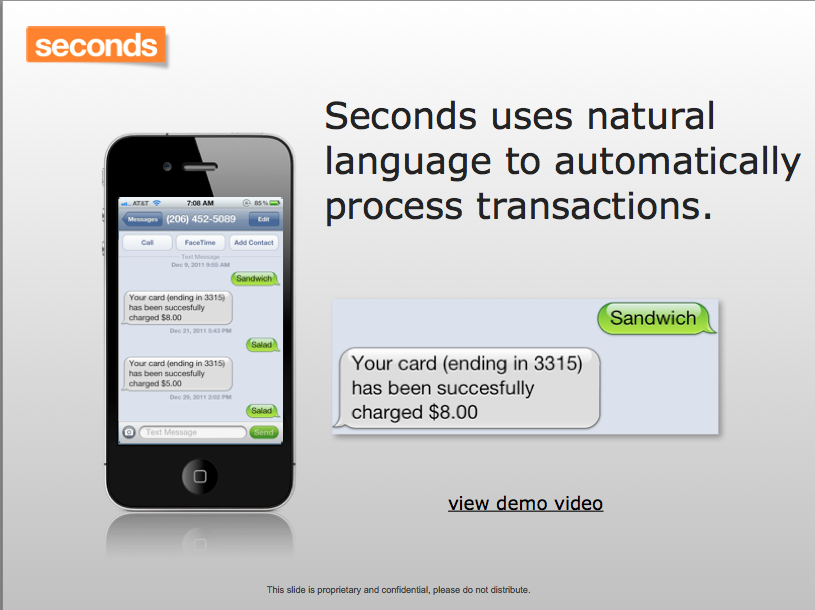
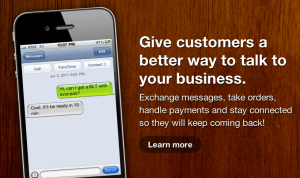
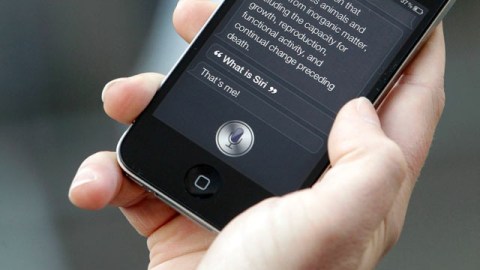
For those of you who do not know, Seconds is a fast and easy way to make payments with your mobile device.  We automate payments through words sent in simple text messages (cool Siri video below) and shorten a minutes worth of transaction time into just a few seconds.

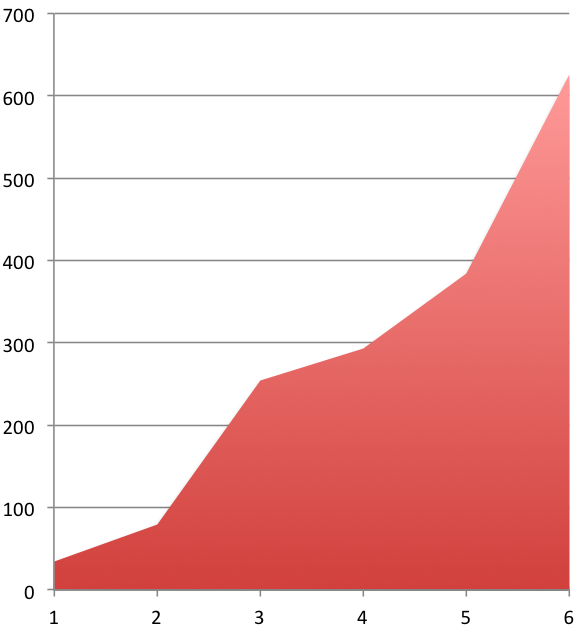
Below are a few charts specific to our pilot test around mobile payments.  The first one is for total monthly transactions and as you can see, the growth from January through May is accelerating.  (Chart actually starts with early testing in December.)  In fact, the change from April to May is most impressive.   In April we had 384 transactions and in May we completed 615 transactions.  Blow-out month for sure!

Monthly Transactions

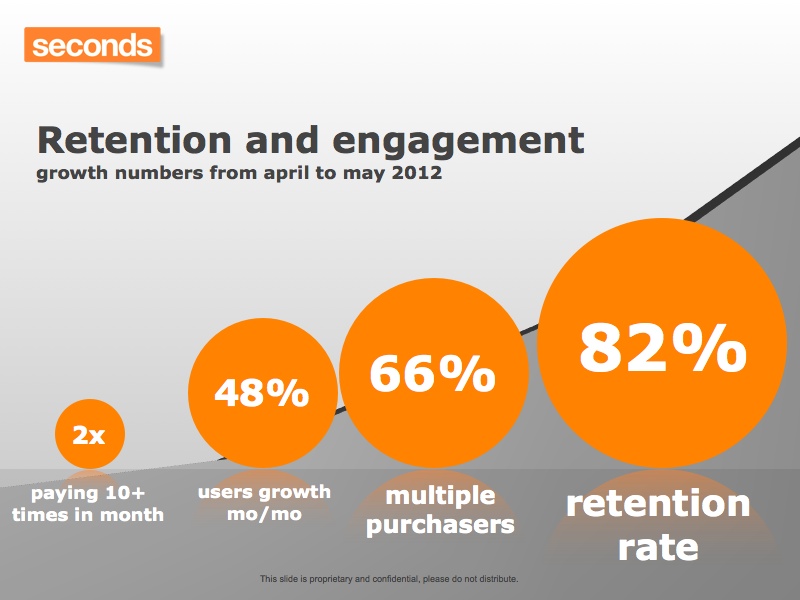
Going further in depth on the numbers, some very interesting consumer observations emerge.  We took the entire user population and parsed out categories based on the number of times an individual made a transaction.  Specifically, we evaluated May and compared it to the previous month of April to see if we could identity any trends in usage.  Here’s what we found:

Findings:

1. The number of people making 10 or more transactions in a month DOUBLED!  This means as months go by people become more comfortable with using the system and more apt to make a quick purchase in Seconds.

2.  The overall user base grew 48% from April to May.  We continue to gain more users who easily jump into the system and start making payments using their mobile device.  Uploading payment credentials securely in the cloud just once is all it takes for a new user to start using Seconds.

3.  Roughly 2 out of 3 Seconds users are multiple purchasers.   This means they returned within the month and transacted at least twice using Seconds.  This is a very good sign.

4.  An astounding 82% retention rate is HUGE!  More than 8 out of 10 users in the month of May were users in the month of April, proving that we are not seeing much drop off once an individual enters the system and starts using Seconds.   Although adding new users is a driving force, more important is the ability to retain the ones you have already attracted.

Our assumptions are continually proven true and the lessons here are manifold.  When offered a quick and easy way to complete a transaction using their mobile device, people do it!  And time goes on people are more comfortable with making more payments by simply sending a text message.

Now, what if you could pay your rent that way?  Or refill your transit card?  Or rent a movie?  Or all the other areas of your life you want to take care of in Seconds.  That is why mobile payments are set to be a $1 trillion industry by 2016 and automated application-to-person payments are an estimated $100 billion industry.  We are only getting started.

http://youtu.be/4czAm7h6i10

What If You Could Pay Your Transit Pass With A Simple Text Message?

Have you ever been waiting for the bus only to realize you have no money left on your Orca card, or whatever they call the transit pass in your city?   Maybe you realize you are at zero balance as you are leaving the house and have to grab a few dollars in change just so you can pay for your bus into work?

Yeah, it’s not fun!  And that is why we are changing it.

Now you can refill your transit pass in Seconds.

http://youtu.be/PCbfu9ajbpk

The Main Problems with Mobile Payments, and Why I Started Seconds

I recently connected with someone at X.com and have been able to get some articles published on my view of mobile payments and the opportunities that lie ahead.  If you are not aware, X.com is part of the Xconomy/PayPal commerce network.  Below is a section from my first article:

Curiosity is actually what drove me to start a company. It all began by my observing how consumers interact with merchants; their tendency to repeat interactions particularly caught my attention. Isn’t it funny how we go to the same coffee shops, restaurants, retail stores, gas stations, websites, and other consumer activities each day? In fact, we do this so much that the person at the counter who “swipes” your card actually recognizes you and may even know your name.

Although loyalty started my entrepreneurial journey, it didn’t end there. I started to think a bit deeper about what people typically do each time they go to the coffee shops, restaurants, retail stores, or gas stations—yep, make a payment! Amazingly, payments are the one data point that can trace a consumer’s path through our economy and organize commercial actions, habits, relationships, and trends. Imagine being able to quickly aggregate and see all those data points in your own life—things like where you spend your money, how much, when, buying what, and how often. Now imagine seeing that on a merchantwide level. How about a worldwide level?

This thinking drove me not only to start a payments company, but also to figure out how to create the fastest way to transact and interact with merchants using a mobile device. Transactions and interactions driven through a simple text message take only a few seconds. I believe that if you speed up a traditionally laborious process, make it available to the widest range of people possible, and emancipate the data to be used in adding value to the system, great things will happen.

The article goes on to review the last 20 or 30 years of innovation in payments and then talks about a few of the current challenges in mobile payments, namely the fact that a full 75% of the world is being forgotten by most of the new payment platforms.  Go ahead, read the entire article.

SURF Incubator Already Barrelling With Numerous Startups and Entrepreneurs

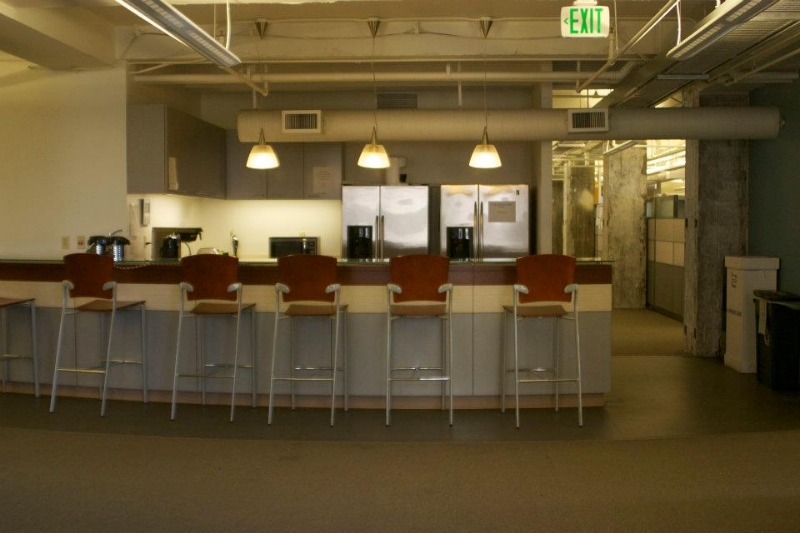
As you might have heard, Seconds is one of the first tenants to stake claim on high value territory in Seattle’s newest tech hub SURF Incubator.  They officially opened their doors April 30th but already we are seeing some solid action emerging from within.   We’ve only been in there a few weeks, but here’s some highlights from a few early  SURF tenants I was able to get some time with in between  the craziness of startup life.

Knotis, which helps you discover great deals from businesses you’ll love, is one of the initial launch tenants.  CEO McLean Reiter says he chose SURF because “their mission is to help startups launch as quickly as possible so they can get out on their own, which is pretty much every statups’ goal.”

For background, knotis is reviving the concept of the digital coupon by taking the marketing strategy originated by Asa Candler with Coca-Cola and infusing it with 21st century tools. They are calling this new take on coupons an Online Social Incentive and merchants can now easily create as many as they wish at the low monthly cost (as opposed to the Groupon style of massive revenue share which can be detrimental to businesses). Merchants can share these self-generated OSI’s in online banner ads or through their social media channels like Facebook and twitter.

Knotis is doing business differently and intelligently by charging its merchants a low, flat-rate of $14 per month, and if the merchant doesn’t make a sale during the month, they are not even charged! “That’s just company culture,” says 28 year old founder, McLean Reiter. “We want to help local businesses thrive!”

Asked about why he favors SURF, McLean adds “My favorite thing so far is that everyone is there for the same reason – to succeed – and other entrepreneurs and developers, although busy, are still willing to help other teams achieve success.”

Another early startup is Shopobot, a better search engine for shopping. For example, stores are constantly changing their prices (even day to day), and they make it clear when it’s the right time to buy – which can save people a lot of money. At their heart they’re an analytics company, and  using their data and UI to give people an edge when shopping online.

According to one of the founders Dave Matthews, they went through more of an accelerator in San Francisco before coming back up to Seattle.  “When we started Shopobot we went through an incubator in San Francisco called AngelPad, which was super helpful for doing the demoday / launch / fundraising push. It was really hands-on with all the companies in the program moving on the same schedule towards launch. Now that we’re past that phase, SURF is a great spot for us to focus on our product and growth – while getting the benefits that come from a shared space.”

He notes they wanted to work in a shared space for the unexpected conversations, and meeting other people working on startups. “SURF has the right balance for us of lots of meetups and events and other teams working here, but we still get our private area to focus as a team.”

Lastly is Pandamonium Games, who just announced a Kickstarter project called The End Saga: Revival.   In short, it’s a 90’s style mobile role-playing game, bottling the best of that era and sticking it into a beautiful mobile gaming experience. Using the art of nexxing to build new items, while you amass a team of fighters, magicians or rogues to take out the evil Ismata.    (You should go check it out on Kickstarter!)

Jimmy Gambier from Pandamonium Games says “We chose SURF because we’re not big enough to have a dedicated office space and yet meeting in coffee shops was getting old. I’d also visited places in the Valley like Dogpatch Labs were you can feel the sense of community in the air. We wanted a place where we could bond with like minded people and companies.”

Digging a little deeper on why they chose the Kickstarter/crowd-funding route , Gambier said they went with Kickstarter because they wanted to go directly to the community versus spending their precious time pitching to investors. “We would rather spend the next 6 months heads down on our product instead of raising money.”  I can attest to that!

Gambier believes Kickstarter is the next evolution in investment, as you can receive instant market validation which helps you determine if you are heading in the right direction.  Interestingly, he sees a side benefit from crowd funding platforms.  “Building a fanbase is also crucial for the kind of game we’re working on. We’re catering to a hardcore gamer audience and we thought building that user base early would be wise.”

Through his words it’s obvious Jimmy couldn’t resist the entrepreneurial pull and is the exact person SURF and other incubators need to help cultivate a great community of founders.  “I had been involved in startups in the past and had an unshakeable desire to start a gaming company. It almost seems like there wasn’t anything else worth doing. The art of building a fun game has fascinated me for years and continues to as I learn more about the craft.”

If you are like me, you’re probably not familiar with Pandamonium Games, a scrappy Seattle based games startup who loves RPGs. They’ve made a couple of social games before, but this is their most ambitious game to date. The team has worked at places such as Nintendo, Wizards of the Coast, Amazon and a large MMO company.

Here’s Jimmy’s take on their quick history:

“For the past two years, we’ve been a small but committed team working in the social games space. When Glen Matsushita and I met at Tully’s in Bellevue, Washington, in 2009 to brainstorm our first title, we had never built a game before or worked together as a team. By the end of the first month, we had settled on using the Facebook platform to create Champions of Justice, a superheroes game. We brought on a couple of guys who had worked at Wizards of the Coast—a publisher of fantasy and science-fiction based role-playing games, board games, and collectible card games—to help with the art and writing, and went to work.

“The company was founded on the principle that there is a place for hardcore games in the next evolution of gaming.We made a couple of games along the way—neither a major hit—and are now working on our third title. Whether or not this will be our breakthrough in what has become a highly competitive market, we have the same passion and dedication that got us into the business in the first place. In fact, as we’ve gotten more experience, we’re getting better with each iteration and this title has been the most fun to work on since we’ve carved out more definitive roles and skill sets among the three founders.”

It’s early days for SURF Incubator and I look forward to meeting (and possibly writing about) many more startup founders.  If you are interested in SURF office space, feel free to visit their website and send them a note.
Incredibly Insightful Words From Peter Thiel’s CS183 Class, via Blake Masters

Here is an incredibly insightful thought from Peter Thiel on progress and innovation.

Teaching vertical progress or innovation is almost a contradiction in terms. Education is fundamentally about going from 1 to n. We observe, imitate, and repeat. Infants do not invent new languages; they learn existing ones. From early on, we learn by copying what has worked before.

That is insufficient for startups. Crossing T’s and dotting I’s will get you maybe 30% of the way there. (It’s certainly necessary to get incorporation right, for instance. And one can learn how to pitch VCs.) But at some point you have to go from 0 to 1—you have to do something important and do it right—and that can’t be taught. Channeling Tolstoy’s intro to Anna Karenina, all successful companies are different; they figured out the 0 to 1 problem in different ways. But all failed companies are the same; they botched the 0 to 1 problem.

What is he saying?

Peter is saying this doesn’t lead to innovation: “From early on, we learn by copying what has worked before.” Innovation cannot be taught and copying leads us nowhere.  Innovation is, by definition, creating the new…  Successful companies figure things out as they go, they learn from small insights early and often.  This is why no two successful companies are exactly the same, since they go from 0 to 1 in different ways.

Read more on Blake’s blog.

The 2 Slides in Seconds Pitch Deck That Will Knock Your Socks Off

Over 4 billion people around the world don’t hold a smartphone or have the ability to download a native payment app, but that shouldn’t exclude them from the mobile payment experience.  All signs are pointing towards payments following the changes mobile technology is bringing to the rest of the world, and if history has anything to say about it a new platform will have to be built from the ground up.  That is why  we are building Seconds.

Seconds is mobile payments using the most intuitive experience we have on our mobile devices – text messaging.

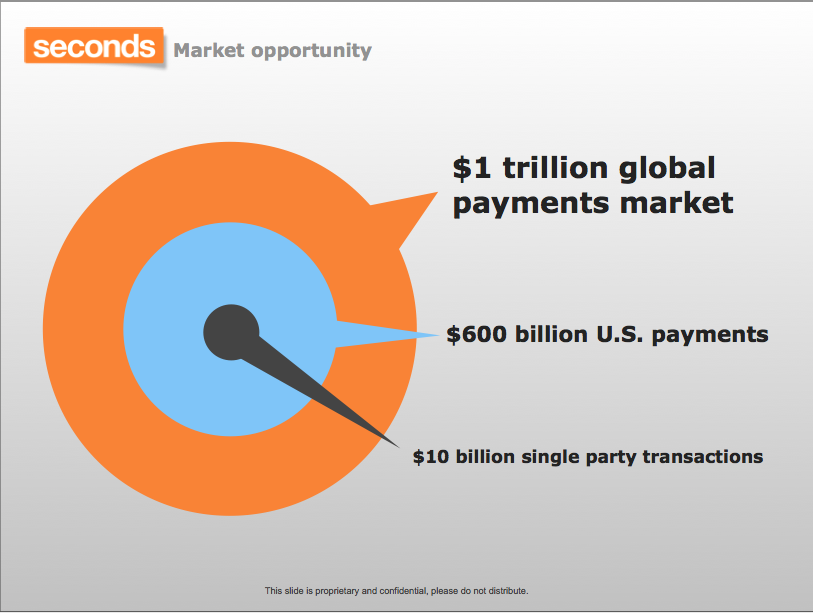
Using the Seconds platform, brands have the ability to identify specific keywords that when sent to their Seconds number automatically trigger transactions for the accurate amount.  We see a whole new payments market opening up where no human being has to be on the other side receiving the payment.  We call these experience Single Party Transactions and they are estimated to grow to almost $10 billion by 2016.

How cool is Seconds?  Here are 2 slides that will knock your socks off.

view demo video

Mobile transactions will drastically change our society and the market for paying by mobile device is said to be well over $1 trillion by 2015.  Most significant will be the transformation in how we use our mobile devices in everyday commerce.

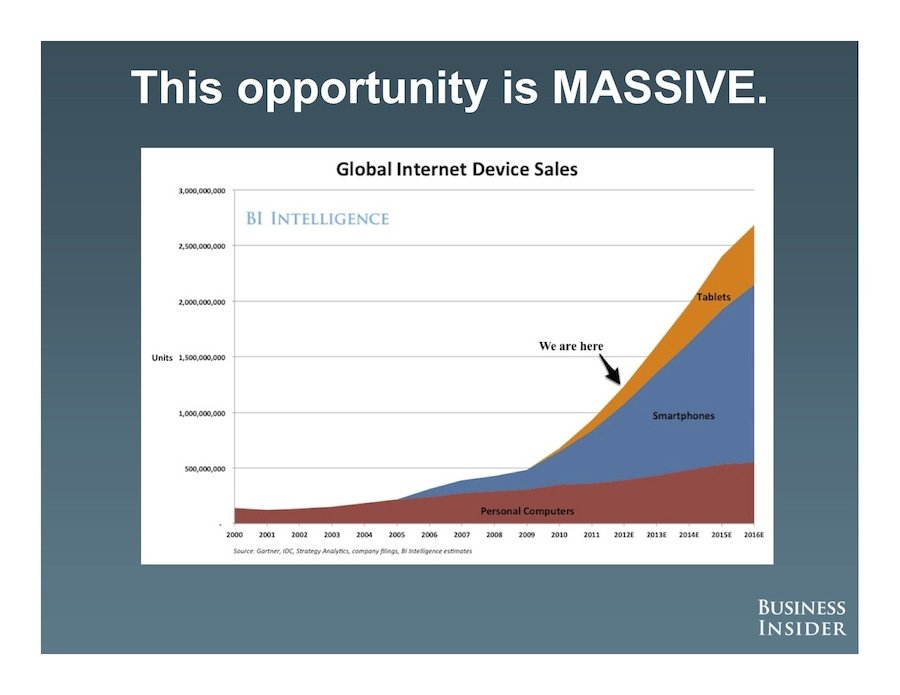
This Slide Shows Exactly Why It’s An Incredible Time To Start A Mobile Company

This is truly an amazing time.  This one slide from a recent Business Insider presentation is the main reason why I started Seconds.  We are seeing a revolution around mobile devices and every industry will experience immense changes, whether they like it or not.  Payments are no exception and it’s going to be a wild ride baby!

Your Life Happens In Seconds (Video)

We live our life as a collection of seconds.  Why should it take any longer to make a purchase or connect with brands we care about?

At Seconds, we built a system to drive secure payments through text messages, allowing someone to quickly make a instant and automatic transaction by simply texting a keyword to a merchant.  Amazingly, it only take a second to send a text message.

Think about it, a merchant can now ping your mobile phone with a message informing you to complete the transaction by simply responding with a specific prompt. How would they know to do that? Your phone number can now become your payment credential, and since they can instantly reach you via short message from pretty much anywhere in the world, payments have no limitations.

Imagine how things will change when we all can interact and transact with any brand in the world in Seconds?

Holy Crap! One Year Ago Today My Life Was Completely Different

One year ago today – May 1st 2011 – I officially walked away from my previous career and made the leap into entrepreneurship.  These last 365 days have been some of the most exciting, rewarding and scary times of my life.  Back then, I was sitting at a desk in a fitness facility at the Boeing Company, working as a physiologist.  Today, I sit here as the CEO of a tech company making waves in the mobile payments space, talking to investors and multi-billion dollar companies.  Oh, how things can change in a year…

Some experiences of the past year:

  • Quit my full-time job and gave up a steady paycheck
  • Had no idea how I was going to pay my bills…
  • Watched the gig I thought I was transitioning to disappear
  • Launched this blog and started reaching people around the world
  • Started contributing the BusinessInsider.com
  • Was basically a free agent over the summer, just focusing on writing on here
  • Had no idea how I was going to pay my bills…
  • Was one-day away from taking a COO role at a startup in New York, when…
  • My soon to be co-founder reached out to me through a random email in August
  • I sat down and over coffee determined we should start a company
  • We formed Seconds in early September
  • We released our beta product late fall, early winter
  • At first, we focused on text messaging between customers and local merchants
  • At the beginning of January we started gaining attention and media
  • Ran out of money
  • Had no idea how I was going to pay my bills…
  • Through February and March we kept expanding our vision and writing about it
  • We made the change to focus on mobile payments driven through text messages
  • We now field inquiries and interest from around the world and look to expand Seconds
  • I now write guest posts on the most popular tech blogs around
  • and people now look at me as a though leader and actually listen to what I have to say

So much more happened over the course of the last year but I will stop there.  I want to make something very clear: your life is what you make of it.  I have completely transformed my life in the last 365 days and I sit here today in awe of what I have been able to do.  We are (close) to being finalists in national recognition for being one of the top innovative companies of 2012.  I could’t have dreamed of this just one short year ago.  This transition has not been easy – actually the most difficult thing I have ever done in my life – but it’s not impossible.

You can do anything you set your mind to, never forget that.

Introducing Seattle’s New General Assembly: SURF Incubator

As a startup founder, not too many things are more important than where you and your team will spend most of their time building you world changing, billion dollar company.  Before you receive an influx of cash and are able to have your own office space, the choices are basically 1) toughing it out in your home, 2) hopping between coffee shops or 3) spend an arm and a leg for office space in a place you really can’t afford.

Although starting a company today is quite a bit cheaper than it was 10 years ago, square foot for office space is not so much. It’s actually getting more expensive.  And it sucks, especially for a young startup that is likely pre-funding and cannot afford much more than cloud hosting.

So what to do?

Well, I’m going SURFing.  Since the beginning of the year, SURF Incubator has been quietly building a network of technology focused entrepreneurs, mentors, investors, and corporate partners. On April 30th, the SURF community will come to life when it officially launches with fifteen incubating startups.  I am proud to say Seconds is one of them, and very excited to be a part of this burgeoning startup community.  Located directly downtown Seattle, this is perfect location for startups, as it’s 5 minute walk from Pioneer square, Westlake mall and a short bus ride to South Lake Union.

SURF has also been collaborating with various corporate partners to develop a robust benefits program to aid in the growth of our young companies.  By leveraging the support of service providers and larger technology companies, SURF is able to provide opportunities that reduce the costs to start a technology company in Seattle. Bringing down the economic barriers associated with building a technology company has the potential to significantly advance the growth of Seattle’s startup community. SURF has already received applications from entrepreneurs located from Vancouver, BC to South America.

This is exactly what Seattle needed.  There are a number of places for co-working and startup office space, but none that were this neutral and spoke with the most potent vision.  Most other spaces are in connection to an accelerator, investment or other ties to companies and investors.  Not SURF.  Their vision is to provide cost effective space (over 15,000 square feet) for innovation and collaboration between tech startups and greatly impact the general startup scene.

It’s crazy because I had this idea last fall and wanted to organize a handful of startups to make it happen, which as I got further into the planning I realized it was a quite a bit larger undertaking than I had time for.

Thanks to the support of some of Seattle’s most respected technology companies and service providers, SURF Residents will not only benefit from subsidized office space, but they will also have access to a suite of free or significantly discounted services. One of the many benefits associated with building a startup at SURF are the free educational workshops provided by corporate partners – covering topics on company formation, intellectual property, fundraising, various programming languages and more.

The monthly SURF membership fee of $300/month per entrepreneur, which nicely suits early startups comprised of 2-4 founders.  They even offer evening hours (which would be 5pm on) at $200 per month.

SURF and its network partners are making it dramatically less expensive to start a technology company in Seattle.  I now know where I am spending most of my time!

Some of the other startups include:

Shopobot – tracks price changes at major online retailers. Using this data, Shopobot helps consumers get the best price on books, cameras, computers, and video games. Name your price, and we’ll alert you when it’s reached. Shop Shopping in the dark!

BBC Easy – dedicated to optimizing the commercial lending process between banks and their borrowers.

Translational Software  – simplifies the logistics of genetic testing and transforms test results into actionable guidance for doctors.  The cost of molecular diagnostics is falling precipitously but genetic tests are not useful without interpretive information.

Knotis – helps consumers discover great deals from local merchants. Customers can find personalized, location-based offers – happening in real time.


Instagram’s Billion Dollar Idea Wasn’t Photos After All

I wasn’t alone in almost spilling my coffee mid-drink when I discovered Facebook purchased Instagram for $1 billion. Much has been covered on this, including talks of another bubble or irrational exuberance.   A billion?!  As a startup CEO, it’s sometimes hard to grasp how these types of platforms, which openly opine they are not concerned with making money can end up in such a successful outcome.

[So to all the investors out there, I guess we shouldn’t be focused on business models and making money, should we?  I digress…]

Yet the more I thought about the acquisition and the entire startup experience in general, a few lessons came to me that in hindsight are blindly obvious but bear repeating.  As founders, we tend to get lost in our vision.  We tend to over-think and over do our product to the point where our initial value proposition loses it’s inherent value to the market.

What do I mean?  Well, most likely you bloat your product with way too many features.  You also convolute your value proposition based on the latest moves of your competition.  You think if they jab right, you should jab right as well.  You then confuse your users as to why they should be using your product.  This is probably the main reason why your 15 month old startup is not fielding attractive acquisition offers.  It’s because there is no clear place in the market for your company so you just get lost in all the noise.

Instagram didn’t do that.  They kept it simple.  They kept is so simple that I had to write about it since I think most of us don’t realize how powerful a needle point actually is.  Needles cure disease, hoses don’t.

Here’s my view of how Instagram positioned their product for a massive acquisition from Facebook.  All startups, no matter what industry need to keep these principles top of mind if they want a positive business outcome.

Do One Thing World Class

Intagram has been referred to lately as a mobile social network, but in reality they are a much less than that since social networks just collect around specific things.  Instagram chose to focus on photos – and determined to do it world class.  They identified weakness in the current user experience of taking a picture with an iPhone and trying to share that with your friends.  They found the process was way too slow and cumbersome.  They realized the most important thing to people was how quick they could complete the process.  Optimizing how photos were uploaded sped up the process and greatly enhanced the user experience.  Instagram quickly became known as the fastest and easiest way to take and share mobile photos with your friends.

Interestingly, the precursor to Instagram was Burbn, which was what the founders built before changing to “Instagram.” Co-founder Kevin Systrom explains how they launched the service primarily as a checkin, social geo-location app full of hoards of features, on which users could quickly upload photos and share them with friends. (Heres a great interview on the background of Systrom and Instagram)

Burbn had attracted a core following of users, but was not exactly taking off. Upon further evaluation the founders noticed that photo uploading was the strongest and most used feature. Instantly, they cut all other features, kept with uploading photos and moved forward with the newly minted Instagram.

Systrom resisted being all things to all people and in the end sold his 15 month old company for $1 billion.  Think about that  for a second.  By removing most of his product and getting down to the essential, he drastically enhanced its value.

Do you have the stomach to gut your product down to the bare essentials in order to make it more attractive?   You need to find the needle.

Networks of Distribution

The success of any product or service greatly depends on people actually discovering it.  Instagram beautifully leveraged the major distribution networks of today – Twitter, Facebook and Foursquare – to quickly gain user traction.  Take a picture, instantly shoot it out to your friends and followers… People click on it, see Instagram and think “that’s cool, I need to use Instagram.”

You may be thinking this is obvious and being a technology blog most people should understand the concept of leveraging social channels.  Well, this is not about leveraging “social” channels, but rather about finding the appropriate networks of distribution for your specific product or service.  Too many businesses think they need a “viral strategy” when their user experience is far from viral.  Lost in the noise about Twitter and Facebook are all the other options your company may be missing.

Neil Patel does a great job of explaining how to co-brand with a leading brand, illustrating how Spotify jumped onto Facebook and instantly saw millions of new users.  He also says, “besides reaching a wider audience, co-branding your work will also propel your brand faster, double your strength, give you someone to lean on and adds credibility.”  Well said Neil.

What adjacent platforms or companies are sitting there waiting for a strategic partnership with your company?   Are there existing distribution networks already perfectly placed where your user experience will greatly benefit all parties involved?

Aimed Directly at Competition

Systrom and company did something amazing which seems to be overlooked by most startups: find a gaping hole in a major player’s armor and expose it right on their front lawn.  Facebook, being the largest social network and the primary place people connect and share photos with friends, was embarrassing lacking an adequate mobile solution.  They were pretty late to the mobile game and when they showed up, their mobile experience was flat out clunky.

Instagram was built from the ground up as a mobile platform, specifically around photo sharing.  They not only identified there was a hole in the market, but they filled it and shoved it right in the Face of Facebook showing them how much better Instagram was than Facebook at the mobile game.  Zuckerberg knew it the whole time and from what we can read about the situation the latest $50 million raise was the last straw.  He pulled the trigger and bought the company knowing Instagram was a growing problem for them.

Here’s the point:  Don’t go build “another similar product” copying the competition simply because you are lazy and they showed you the market wants what they are offering. The outcome is typically not very good.   Why not study the market, find the hole and then go do that specific thing?  Own that thing.  Be known for that thing.  And do that one thing world class.

Using Instagram as a perfect example, that’s the billion dollar idea.

@jnickhughes

Here’s A Lesson On Why You Should Listen To Your Early Customers

Here’s a great write up on how Seconds is transforming an office catering business.  Molly’s Salads is one of our early customers, and in fact our most important to date.   Truth be told, they were actually the ones who came to us with the idea for text payments.   Their CEO simply said “can’t we have a system where people just text the word “sandwich” to our number and it automatically charges them?”  We looked at each other without blinking and said “um sure, we can do that!”

From the article:

How does Seconds work from your end, as the merchant?
From our end, it’s super simple. The technology just reads what [customers] text. So if they text SALAD, it just reads SALAD and automatically bills their card for whatever the price of a salad is. That is built right in. The sales go directly through us. We plug in our gateway, and it goes directly into our bank account. The only work we have to do is when somebody has an issue. When they say, “My card’s not working,” or “There’s none of this left in the fridge,” that comes straight to my email. I can respond through my email, and it goes straight to their phone. Everything is automatically billed, and then I can monitor how sales are going by going to my dashboard.

read the entire article….

As we walked out of the initial meeting I looked at my CTO and said “dude, he’s dreaming.”  He just chuckled.  Amazingly, we ended up building it within a month or so and the rest is history.  Multi-billion dollar, multi-national corporations are reaching out from all over the world are now expressing interest in what we are doing.  It’s awesome and we owe it to Molly’s Salads for leading us towards this cool concept.

Below is the simple way people are paying for Molly’s food using Seconds.

http://youtu.be/wKQ4cQ8GgEM

Should Paying $950 With A Text Be This Easy? (video)

Seconds is the simplest way to pay using a mobile device.

Take paying your rent for instance.  It sucks to have to write a check, get a money order or remember to go online and make a payment.  Even if you use an automatic online rent payment system you might not remember what day it will be taken out of your account, which can be frustrating.

So should paying with a text message be this easy?  In a word – yes.  Life shouldn’t require you to download a specific app or stop by the cash machine to get cash.  Seconds is the simple way for you to make a mobile payment for everyday things.

Watch the video below to get an idea of how fast Seconds payments can be.

1. Type “Pay Rent”

2. Confirm the amount

3. Receive a text stating the completion of your payment.

Imagine what else you can pay for with Seconds.  Imagine your life…. in Seconds.


http://youtu.be/d51Gh6dGUOw

Slideshow: Imagine Your Life… In Seconds.

Seconds is the simple way to pay with your mobile device.

As I have stated before, virtual transactions – payments made without having to swipe, show or display anything – will transform the payments landscape like no one has ever seen before.  Since people carry their mobile devices with them everywhere, it makes the most sense to streamline transactions through the computer in their hands.  With cloud computing and offsite secure services holding payment credentials for every consumer, people now have an ability to make simple, quick and easy mobile payments ANYWHERE.

I have also said this before but it bears repeating: what if SMS messaging was not only for communications?  What if, as a very efficient information transport  mechanism organically built into billions of mobile devices around the world, it was used for payments and transactions?  Seconds drives secure payments through text messages, allowing someone to quickly make a instant and automatic transaction by simply texting a keyword to a merchant.   Conversely, a merchant can ping your mobile phone with a message to complete the transaction by simply responding with a specific prompt.

Below is a brief slideshow to imagine your life… in Seconds.

The Evolution Of Digital Payments Says Anything Made Of Matter Is Toast

The payments landscape is changing almost daily and the overall industry is truly one of the most exciting business studies around.    Payments?  Exciting you say?  Yes, well if you don’t’ think $1 trillion up for grabs in the next 5 years is something to get excited about I would check your pulse.

As an natural observer I tend to look under the hood whenever something unusual is going on, since whenever peculiarity is present change happens.   Curiosity is actually what drove me to start Seconds, my mobile payments company.  It all started with observing how consumers interacted with merchants, repeat interactions in particular.  Isn’t it funny how we go to the same coffee shops, restaurants, retail stores, gas stations, and other everyday activities each day.  In fact, we do this so much the person at the counter who “swipes” your card actually recognizes you and may even know your name.

Although loyalty started my entrepreneurial journey, it did not end there.  I started to think a bit deeper about what usually happens each time you go to the coffee shops, restaurants, retail stores, or gas stations?  You got it – payment!  There it is, the one data point which can trace commercial actions, habits, relationships and trends.  Imagine being able to aggregate and see all those data points in your own life.  Things like where you spend your money, how much, when, buying what and how often.  Now imagine it on a merchant wide level.  How about a worldwide level?  I think you get the gist of where we are going.

This thinking brought me to Seconds, which is the fastest way to transact and interact with merchants.  I believe if you speed up a traditionally laborious process, make it available to the widest range of people possible and emancipate the data to be used in adding value to the system, great things will happen.

During this study it came to my attention how much the payment experience has evolved, and how much more it will change.   Below is a quick discussion on where we have come from and where we are going with digital payments.  You will notice this discussion is all about digital payments, since cash and coin have always been available and will still be around for quite some time.   The current focus is on the digital payment experience and the changes we should expect.

Payments 1.0

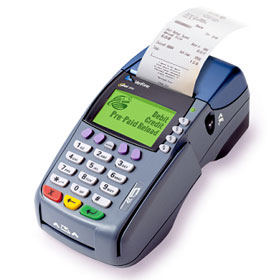
When plastic cards came into the market the obvious question became “how do we use these things?”  Naturally, swipe terminals popped up in retail locations everywhere, in addition to such places as gas stations and movie theatres.  Major players like Verifone, WorldPay and others transact billions of dollars each day through proprietary devices which translates information from your plastic card into electronic data and ultimately ending in a transaction.

Important to note is the placement and positioning of the terminal, which can be found on the specific merchant’s counter or apparatus.  Why is this important?  Without the terminal, I cannot pay.  No terminal, no card, no soup for you!  This gave credit card companies and the electronic payments companies a leg up in the economic chain.  But innovation has no master and things quickly change.

Payments 1.5

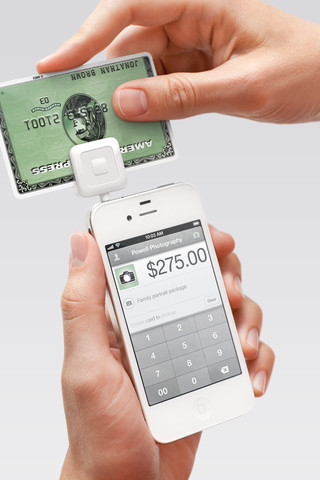
We are currently seeing new methods of swipe transactions involving the mobile device hit the mass market.  These swipe solutions enable a mobile phone or tablet to become, in essence, the terminal itself.  The terminal has jumped off the merchant’s counter and into their hands with products like Square or PayPal empowering anyone to become a merchant.  All anyone needs is a mobile device, the app, and the swipe dongle attached to the device.  They are now ready to take a card payment.

As amazing as these solutions may be I argue they don’t truly change the payments space, they only augment it.  They allow us to use our credit cards at more places – which depending on who you are that could be good or bad – yet it’s still a credit card.  Some people call this mobile payments but it’s really just a mobile terminal. The requirements of products and devices can be cumbersome and troublesome if lost.  Forward progress?  For sure!  But not truly an innovative new movement which will have landscape shifting effects.

Payments 2.0

True innovation upsets the masses and ultimately establishes a new norm, with new rules and new players.  Virtual transactions – payments made without having to swipe, show or display anything – will transform the payments landscape like no one has ever seen before.  Since people carry their mobile devices with them everywhere, it makes the most sense to streamline transactions through the computer in their hands.  True authentic mobile payments do not require any hardware outside of the mobile device.  With cloud computing and offsite secure services holding payment credentials for every consumer, people now have an ability to make simple, quick and easy mobile payments ANYWHERE.  As the consumer, the terminal is now in your hands.

Platform agnostic solutions will enable any mobile device holder to transact and make a purchase with any merchant or brand connected to the platform.  It shouldn’t require me to have an iPhone, Android or any other specific device.  I don’t’ think “sorry, we only accept iPhones” should replace “sorry, we don’t accept American Express.”  Everyone is created equal and every dollar bill is $1.00, no matter who is holding it.  This principle  should remain the same as we evolve into a purely digital society and work through determining the appropriate payment methods.

And as payments become virtual, platforms such as Dwolla start to make a lot more sense.  If you were a merchant looking to accept mobile payments, which would fee you rather pay – a flat 25 cents or between 2-3% of a transaction?  It’s no contest, Dwolla’s fee structure could put credit card companies directly out of business, unless they bring down their fees to a competitive level.

I have said this before but it bears repeating: what if SMS messaging was not only for communications?  What if, as a very efficient information transport  mechanism organically built into billions of mobile devices around the world, it was used for payments and transactions?  Seconds drives secure payments through text messages, allowing someone to quickly make a instant and automatic transaction by simply texting a keyword to a merchant.   Conversely, a merchant can ping your mobile phone with a message to complete the transaction by simply responding with a specific prompt.  How did they know to do that?  Your phone number has now become your payment credential, and interestingly enough they can instantly reach you via short message from pretty much anywhere in the world.  Imagine how things will change when we all can interact and transact with any brand in the world in Seconds?

I am not sure how much quicker we can make things but a second is pretty damn quick.

@jnickhughes

Where Is Your Favorite Payments Company In The Mobile Payments Landscape?

The mobile payments market is white-hot right now.  PayPal just announced their latest creation, a Square knockoff (at first glance), LevelUp is seeing more than $1,000,000 worth of transactions per month and Square is now measuring their transactions in billions of dollars on a yearly basis.

The chart below is an illustration of the current mobile payments landscape.  The horizontal axis is the spectrum of where the product can be used in relation to proximity to the merchant.  Do you have to be in the store to complete the transaction?   Do you need to actually be at the register and touch or scan your mobile device to complete the transition?  If you do, I would argue it is not much of a step forward in payments technology.

The vertical axis is the spectrum of user accessibility, or the ability for an average mobile user to actually use the mobile payment platform.  As you can see, most mobile payment platforms are app based and focus on Apple or Android, the two main operating systems.  This excludes many millions of mobile consumers.  Also, the requirements for NFC enabled devices is even more far reaching and pretty much isolates payments to very few merchants and consumers.

Where’s Seconds?  It’s all the way to the upper right.  The most accessible to merchants/consumers and is the most dynamic in relative proximity to a merchant.  Using Seconds, I can send a text and transact from anywhere in the city, state or country.  Shouldn’t mobile payments actually be mobile?

Don’t see your favorite?  Just let me know and I’ll place it on there.

@jnickhughes

A New Article Covering Seconds Points To Our Larger Vision Of Payment Identity

Seconds was recently covered on BetaKit, here’s a snippet:

Smartphone growth is trending upward worldwide, but there’s still a huge percentage of the population using feature phones, and another group of users for whom a stable and consistent data connection is little more than a dream. A couple recent startups are poised to address those markets directly, both in emerging markets and in North America… Read more.

I want to highlight something that came out in the interview that points to the real game changer in mobile payments, although we don’t talk about it too much at this point.

Seconds isn’t just about SMS, however; Hughes said the bigger picture is in establishing user profiles that can be attached to any tech. “We’re more about the software and the identity,” he told us. “Attaching that user identity to other platforms is relatively simple.” That strategy should allow Seconds to work with other mobile communication tech, including NFC and Bluetooth 4.0, as they accrue more popularity.

I believe the winner (or winners) in the mobile payment space will be oriented around a consumer’s identity, meaning everything is aggregated  and organized for both my benefit and the greater merchant ecosystem no matter what method of payment I use.  This is important to the future of commerce and we intend to be a major player.

@jnickhughes

How Seconds Will Give 2,433 Hours Back To Your Life

2,433 hours

The amount of time wasted in an 80 year lifespan just waiting to interact with businesses doing things like:

  • pressing 1 for the employee directory, pressing 2 for account information…
  • waiting on hold on the phone
  • Waiting in line to purchase something
  • calling to ask a question
  • writing a check (who does that anymore?)

How did I get to 2,433 hours wasted in a lifetime?  On average, we can estimate approximately 1 minute is wasted each time we interact with a businesses.

Multiply that by roughly 5 each day.

Multiply that by 365 days each year.

Multiply that by 80 years in a lifetime.

Total all that up and you get 2,433 hours.  This could be an underestimation if one minute turns out to be more like 5 or 10 minutes but I think you get the picture.

How can Seconds save you those hours so you can get back to living your life?

Seconds enables customers quick interaction and transaction with merchants through the mobile web. Our mission is to make the consumer experience more efficient and enjoyable.   When a consumer attaches their payment credentials to their Seconds account, they have effectively transformed their phone into a transactional device.  With Seconds, people can send quick messages and easily make transactions with merchants – which takes seconds, not minutes.  No more waiting on hold.  No more of the “press 1 for operator” crap that no one likes.  No more waiting in a line of ten people to simply swipe your card to pay for something.

If you have a question for a merchant, you simply send a message and then get back to your life.  Within a matter of seconds you should receive a response.  It’s just like how you interact now with your friends and family, shooting them a quick text during a commercial break or in between glances on the road (kidding…. kinda).  Interesting enough merchants actually want you to do this as well since they just want the phone to stop ringing.

Mobile payments work the same way.  Seconds allows merchants to program their account and customize keywords with specific dollar amounts which act as triggers to charge a Seconds user’s mobile payment account.  If you want to purchase something you can text the keyword and immediately pay for whatever you were buying.  Or if you don’t know the keyword the merchant can send you a conformation text and charge your Seconds account for you.  Simple as that!

Even more cool, because Seconds is driven through text messaging, if a person is holding an iPhone 4S they can use Siri to complete the mobile transactions by simply saying the keyword.

Maybe you have noticed our world speeding up and getting faster and faster each day, I know I have.  It just seems like there is so much to do and so little time to accomplish all my daily tasks.  I have no time to waste, and yet I find myself along with others standing in line at the grocery store checking my email or twitter stream.  I do this because I don’t like to be idle and feel like I am missing something.  Whether we agree with using mobile devices at places such as the grocery store, I think we all agree there are many things in our life that need to be made more efficient with technology.  Seconds allows us to minimize the time we spend in the minutia of life so we can get back to what is important.

Who’s already using Seconds and helping save hours in their customers lives?

  • Quick Service Restaurants
  • Food Distributors
  • Auto Dealerships
  • Customer Service Consultants
  • Fast Food Restaurants
  • IT Consultants
  • Cafes and Coffee Shops
  • Wine Distributors
  • Beauty and Health Salons
  • Clothing Retail Outlets
  • School Districts

Check out Seconds now and start getting back those precious hours.

@jnickhughes 

Mobile Payments: Siri Hears Your Words And Pays Your Rent In Seconds

Siri is an amazing step forward in computing technology.

So is Seconds.

Seconds enables customers direct interact and transaction with merchants through the mobile web.  When a consumer attaches their payment credentials to their Seconds account, they have effectively transformed their phone into a transactional device.  With Seconds, people can send quick messages and easily make transactions with merchants using the service.  Even more cool, because Seconds is driven through text messaging, if a person is holding an iPhone 4S they can use Siri to complete the mobile transactions with Seconds by simply saying the keyword.

Here’s how it works when you imagine a scenario such as paying rent, which is something we are set to pilot test in Seconds this month.  When rent is due, all you have to do is:

You say: Send a message to landlord  “Pay Rent”

Siri says: OK, here’s your message to your landlord: “Pay rent.”  Are you ready to send it?

You say: Yes

Siri says: message sent

Two seconds later you receive a text “Your account has been charged  $1,200 for your rent.  That’s it! Your rent is paid & you can get on with your life.

How did Siri know who to send the message to and how much you should pay your landlord for rent?

Seconds allows merchants to program their account and customize keywords with specific dollar amounts which act as triggers to charge a Seconds user’s mobile payment account.  So in this scenario, the landlord was able to simply plug in the amount of money “Pay Rent” would translate with and then told their tenants to just text their number and pay in Seconds next month.  This specific tenant was able to tell Siri to pay his rent for him.  And because had labeled his Landlord in his phone contacts, Siri was able to do the job quickly and easily.

Seconds and Siri are a perfect match, and we see a future where payments are so seamless we won’t even have to take out our phones (let alone our wallets).  In the future, your phone numbers + a pin will be all the payment credentials you will need.

The interesting thing about Seconds is not just the transactional component – which is definitely cool – but the communications aspect as well.  Seconds sits directly at the convergence of communications and transactions, and enables each at certain times and both when appropriate.  It’s truly a 21st century communications and commerce platform fit for almost any merchant – large or small, corporate or independent.

It’s my belief there will be many different players in the payments space, but merchants and consumers will not tolerate a plethora of options and varying requirements based upon specific merchants.  It will be far too confusing and there will need to be some market convergence as time goes on.  Consumers will most likely choose the option which is 1) quickest to use, 2) most widely accepted, 3) is not affected by a specific device they are holding, and 4) the easiest to understand.

We like where we sit within the ecosystem and look forward to a great future ahead.  It’s only the beginning.  If you are not familiar with Seconds, here is a quick video of someone paying for a “wrap” by simply texting the words.  Note:  this is not a demo, it’s the real Seconds experience happening every day and will soon be in your hands as well!